
DramaPlay - Trending Dramas
ZhiXiang Cloud Trading LimitedTools
4.022.00 Reviews
- Version
- 1.0.3
- Installs
- 10.00K
- Age Rating
- Everyone
Screenshots
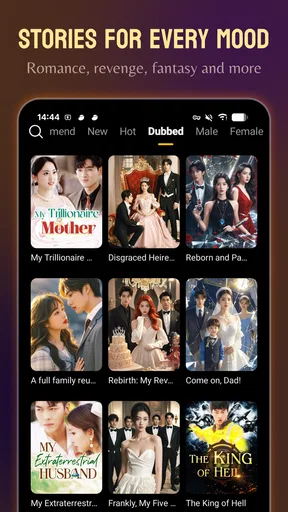
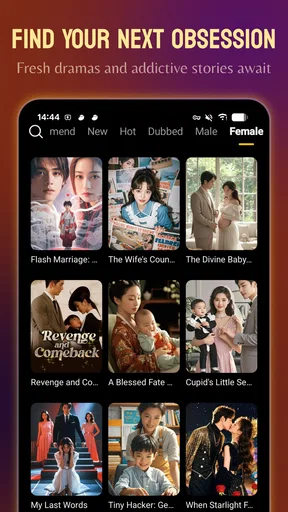



Our Review of DramaPlay - Trending Dramas
 Analysis by Appyee
I approached DramaPlay as a lightweight way to watch short dramas rather than as a full replacement for a major streaming service. That distinction matters. Its purpose is focused: open the app, browse compact dramatic stories, and settle into an episode without the commitment of a long film or a multi-season series. In my experience, that makes it most appealing when I have a few spare minutes and want something more engaging than casual scrolling.
The app is listed as a free tools app from ZhiXiang Cloud Trading Limited, with an Everyone age rating. It runs on Android 8.0 or later, and version 1.0.3 is the release I considered here. The service has reached over ten thousand installs, with a 4.0 average from more than a hundred ratings and over twenty written reviews. Those numbers suggest a modest but real user base, while also reminding me that this is still a relatively small product rather than an established entertainment platform.
How DramaPlay feels to use in everyday situations
I find the everyday appeal of DramaPlay less about watching for longer and more about fitting a story into a real pause without turning that pause into a browsing session. A useful way to judge it is to notice whether choosing one drama feels easier than opening a general video feed and scrolling. That practical test leads to the bigger question of how its focused format works when time, attention, or connectivity is limited.
Readability and navigation make the first few minutes important
The strongest part of the concept is its low-pressure entry point. A short-drama app should help me decide quickly what to watch, because the whole appeal is convenience. I do not want to spend my available break learning a complicated interface or sorting through a huge catalog. DramaPlay’s central idea is easy to understand: explore dramatic short-form content and begin watching.
That simplicity can be especially useful for people who are less comfortable with crowded entertainment apps. Someone who finds large streaming platforms visually busy may prefer a narrower experience built around one kind of content. The app’s store summary presents it as a collection of engaging short dramas, so I would approach it expecting browsing and viewing rather than a large set of unrelated tools.
My practical advice is to give the opening screen a deliberate look before tapping quickly. With a compact content app, titles, thumbnails, and episode choices often carry much of the navigation burden. I would first identify how the app separates available dramas from anything already started, then choose one series to test rather than jumping between several. This creates a clearer sense of whether its organization suits me.
Readability is not only about font size. It also concerns how much information appears at once, whether titles are easy to distinguish, and whether the next action is obvious. For viewers with dyslexia, reduced vision, attention difficulties, or simply limited patience, a calm browsing rhythm is more helpful than decorative clutter. I would judge DramaPlay by how quickly I can recognize a title and understand what will happen after selecting it.
There is also a useful trade-off here. A focused short-drama catalog can feel easier than a general streaming service, but a smaller app may not offer the same mature discovery tools people expect elsewhere. If I want highly refined recommendations, extensive filtering, or a familiar watch-history system, I would compare the experience carefully with the streaming service I already use. DramaPlay’s attraction is immediacy, not necessarily depth.
Short episodes suit limited attention and limited time
The format itself can support several different viewing habits. I can imagine watching an episode while waiting for an appointment, during a lunch break, or at the end of the day when I do not have the energy for a full-length production. Short dramas also make it easier to stop without feeling that I have abandoned a major time investment.
A realistic example would be a commuter who has fifteen minutes before arriving at work. Rather than starting a film and constantly checking the clock, that person can open DramaPlay, watch a small part of a story, and put the phone away. The same pattern works for a parent waiting outside school or anyone whose schedule is broken into brief gaps. The app becomes a small entertainment window rather than an activity that demands an entire evening.
That benefit comes with a creative limitation. Short-form storytelling often depends on quick hooks and frequent turns, so it may feel compressed to viewers who prefer slow character development. If I want carefully paced drama, long conversations, or a complex story world, a conventional television app is probably a better fit. DramaPlay makes more sense when momentum and convenience matter more than extended immersion.
Motor and sensory considerations during viewing
For users with motor limitations, the most important question is how much repeated tapping the app requires between episodes. Short dramas are only convenient if moving from one part of a story to the next does not become tiring. I would favor a workflow where I can select a series, keep my phone steady, and continue watching with minimal interaction. If navigation demands frequent precise taps, the short format loses some of its practical advantage.
This is also where phone size and grip matter. A viewer with tremors, joint pain, or reduced dexterity may find small controls uncomfortable, especially when using the app one-handed. My suggestion is to test DramaPlay while holding the device in the way I normally do, rather than judging it only while seated at a desk. A layout that feels fine with two hands may be less comfortable on a crowded bus or while carrying a bag.
People with sensory sensitivities should approach any drama platform thoughtfully. Dramatic stories can involve sudden emotional changes, intense dialogue, or visually busy scenes. I would begin with a short viewing session and adjust the phone’s general display and sound settings to suit my needs. Lowering the volume, using headphones that do not cause pressure, or watching with the screen farther away can make the experience more manageable.
For viewers who are hard of hearing, captions can be decisive, and I would check the viewing screen early to see whether text support is available for the content I choose. I would not assume that every drama offers the same level of captioning or that translated dialogue is handled consistently. A person who depends on captions should make that check before settling into a long sequence of episodes.
Likewise, viewers with low vision may need more than a clear title card. Device-level magnification, display scaling, and contrast adjustments can help, but they cannot fix every small control or dense screen. I see this as an important test: open the app in the conditions where I actually watch, including the brightness level and distance I normally use. If I have to strain to identify controls, the convenience of short dramas is reduced.
Situational access is one of its clearest strengths
DramaPlay is naturally suited to fragmented schedules. The free price removes an initial payment decision, which makes it easy to try during a short break. I can see it working for someone who wants occasional entertainment without adding another subscription commitment, provided the available catalog matches that person’s taste.
It may also suit viewers who are new to short dramas. Instead of committing to a long-running program, I can sample the format and decide whether its pacing works for me. That is a better use of the app than expecting it to replace every other source of entertainment. I would treat the first session as a compatibility test: can I find a story quickly, follow it comfortably, and stop without confusion?
For travel or unreliable connectivity, I would be more cautious. A short episode sounds ideal for a journey, but convenience depends on how the app handles network conditions and whether the content can be prepared in advance. I would test it before relying on it during a flight, a rural trip, or a commute with poor reception. This is a practical point that is easy to overlook: a viewing app can be perfect at home and frustrating when the connection changes.
The same caution applies to shared spaces. Someone watching during a quiet office break may need headphones and a low-interaction workflow. Someone with sensory sensitivities may prefer speakers at a controlled volume in a private room. The app’s usefulness changes with the environment, so I would not judge it only from a comfortable home setup.
Its Everyone rating also makes the app broadly approachable from an age-label perspective, but that label should not be confused with a promise that every dramatic plot will suit every viewer. Parents and caregivers should still use their own judgment about the individual stories being watched. A general rating is helpful for orientation, yet personal sensitivity to themes and emotional intensity remains more important.
How it compares with familiar alternatives
Compared with a major streaming platform, DramaPlay appears more focused and less intimidating for quick viewing. A large service usually offers broader genres, more established search tools, and a deeper ecosystem around profiles and recommendations. That is the better choice when I want films, documentaries, children’s programming, or a carefully managed household account.
Compared with social video feeds, DramaPlay has a more deliberate dramatic purpose. A feed is excellent for instant novelty, but it can encourage endless swiping and make it difficult to follow a coherent story. Short dramas offer a middle ground: more narrative structure than random clips, without the length of traditional television. For me, that is the most convincing reason to try it.
Compared with free video sites, the decision depends on curation and habit. Open platforms can provide an enormous range of short productions, but finding a satisfying sequence may take more searching. DramaPlay’s value is the possibility of a more direct route into this particular format. If I already have reliable short-drama channels that I enjoy, the app must make discovery or continuation noticeably easier to justify another installation.
There is no universal winner. A viewer with limited storage, a strong data budget, or a preference for one familiar platform may not need it. On the other hand, someone who wants a dedicated place for short dramatic stories could appreciate the narrower purpose. The right comparison is not “which app has the most content?” but “which app gets me to the kind of story I want with the least friction?”
Remaining barriers I would consider before recommending it
The first barrier is uncertainty about long-term depth. A newer app with a modest install base may be perfectly enjoyable, but I would not assume that its catalog, interface, and viewing experience will feel as mature as those of a major service. The current version is 1.0.3, so I would keep expectations realistic and allow for rough edges in navigation or content organization.
The second barrier is discoverability. Short dramas live or die by presentation. If titles are vague, thumbnails are difficult to read, or episode order is unclear, users may leave before finding something worthwhile. My workaround is to choose one promising story and follow its sequence rather than repeatedly browsing. That reduces decision fatigue and reveals more about the actual viewing experience.
The third barrier concerns accessibility expectations. I would not install DramaPlay assuming that device settings alone guarantee a comfortable experience. People who rely on captions, screen magnification, large touch targets, or very clear visual hierarchy should test those needs immediately. If the controls or text remain difficult, a more established platform with stronger accessibility options may be the kinder choice.
There is also a social and privacy consideration in everyday use: I would pay attention to where I watch, how loudly the phone plays, and whether the screen is visible to others. These are not flaws unique to this app, but short dramatic content can be easy to start impulsively in situations where a longer program would feel inappropriate. Planning the viewing moment helps keep the experience comfortable and respectful.
Finally, free access is useful, but it should not be the only reason to choose the app. I would recommend it when the short-drama format itself appeals to me. If I dislike abrupt pacing, need extensive accessibility controls, or want a broad all-purpose library, the free download does not solve the underlying mismatch.
An inclusive verdict for short, focused viewing
My overall impression is that DramaPlay is worth trying for people who want compact dramatic stories and a simple way to fill short gaps in the day. Its strongest audience includes casual viewers, commuters, busy parents, and anyone curious about short-form drama without committing to a long series. The free entry point makes experimentation easy, and the focused concept is less overwhelming than a huge entertainment catalog.
I would recommend approaching it with a clear routine: open it when I have a genuine viewing window, test the text and controls under normal conditions, choose one story instead of endlessly browsing, and check whether the experience remains comfortable with my preferred sound and display settings. Those small habits reveal more than a quick glance at the store page.
The most important trade-off is convenience versus polish. DramaPlay can be a pleasant, accessible-in-practice option when its compact format matches my schedule, but it should not be treated as a guaranteed substitute for platforms with broader catalogs or more developed accessibility support. For viewers who need specific captioning or navigation accommodations, testing those needs first is essential.
In the end, I see it as a focused tool for finding a little drama when I do not have time for a full production. I would keep it in mind for short breaks and casual discovery, while choosing a larger streaming alternative for serious binge-watching, family-wide use, or demanding accessibility requirements. That is a balanced role, and within it, the app has a sensible reason to exist.
Verdict
Strengths of DramaPlay - Trending Dramas
- Large selection of trending dramas from different regions
- New episodes and popular titles are easy to discover
- Simple interface makes browsing and playback straightforward
- Video quality adjusts well for different internet speeds
- Personalized recommendations help find similar shows
Limitations of DramaPlay - Trending Dramas
- Some dramas may be unavailable in certain countries
- Free viewing can include frequent advertisements
- Premium access may be required for newer episodes
- Subtitle quality and language options vary by title
- The app may use considerable storage for offline downloads
Similar Picks in This Category
View All
Google LLC4.0

Gboard - the Google Keyboard
Google LLC4.5

Google Play services
Google LLC4.3

Google Play Store
Google LLC4.9

Files by Google
Google LLC4.5

SHAREit: Transfer, Share Files
Smart Media4U Technology Pte.Ltd.4.3
Frequently Asked Questions
What is DramaPlay - Trending Dramas?
DramaPlay - Trending Dramas is an entertainment app designed for viewers who enjoy discovering and watching popular drama content in one place. Its catalog may include trending series, short-form episodes, and titles from different regions, depending on your location and the current licensing agreements. After installing it, users can browse featured recommendations, explore categories, and select available episodes through the app’s video player.
Is DramaPlay - Trending Dramas free to download and use?
DramaPlay can generally be downloaded without an upfront payment, but free access does not always mean that every title or feature is completely free. Some content may be supported by advertisements, while other episodes or viewing options could require an in-app purchase, subscription, or account upgrade. Before watching extensively, check the pricing details shown in the app and review any renewal terms carefully.
Does DramaPlay require an account or subscription?
The requirement for an account may vary according to the version of DramaPlay and the content you want to access. You may be able to browse titles without registering, while watching certain episodes, saving favorites, or synchronizing progress can require sign-in. If premium plans are offered, review their billing frequency, cancellation procedure, and included benefits before confirming a subscription.
Can I watch dramas offline or with subtitles?
Offline viewing and subtitle availability depend on the individual title and the features enabled in your region. Some episodes may provide subtitle or language options, but translations are not necessarily available for every drama. If downloads are supported, look for a download button on the episode page and remember that saved videos may expire or remain playable only inside the DramaPlay application.
Is DramaPlay safe and compatible with my device?
DramaPlay should be installed from the official Google Play Store or Apple App Store whenever possible, rather than from unofficial download websites. Before installing, check the listed developer, recent user reviews, requested permissions, age rating, and supported operating-system version. Streaming video can consume significant mobile data and battery, so using Wi-Fi and keeping the app updated is recommended for a smoother experience.
